
BREASTFEEDING DISCRIMINATION IN KENYA
Should mothers be demonized or reprimanded for their need to breastfeed in the workplace and the resultant expression of that need? In 2019, Hon. (Ms.) Hassan Zuleikha Juma, the Women Representative of Kwale County dominated the news headlines for taking her child to the Chambers of Parliament-her workplace. According to the Parliamentary reports, (accessible from Hansard Report – Wednesday, 7th August 2019(P).pdf (parliament.go.ke) ) her reason being that there was no breastfeeding station for lactating mothers within the precincts of Parliament. From the report a lactating station existed, but was not operational. The Honorable Deputy Speaker concluded that exposing the infant was undignified, insensitive and demeaning. Further, the action of the member resulted in gross disorderly conduct in terms of standing Order No. 107A(1)(h).She was severely reprimanded and warned to refrain from such conduct in the future.
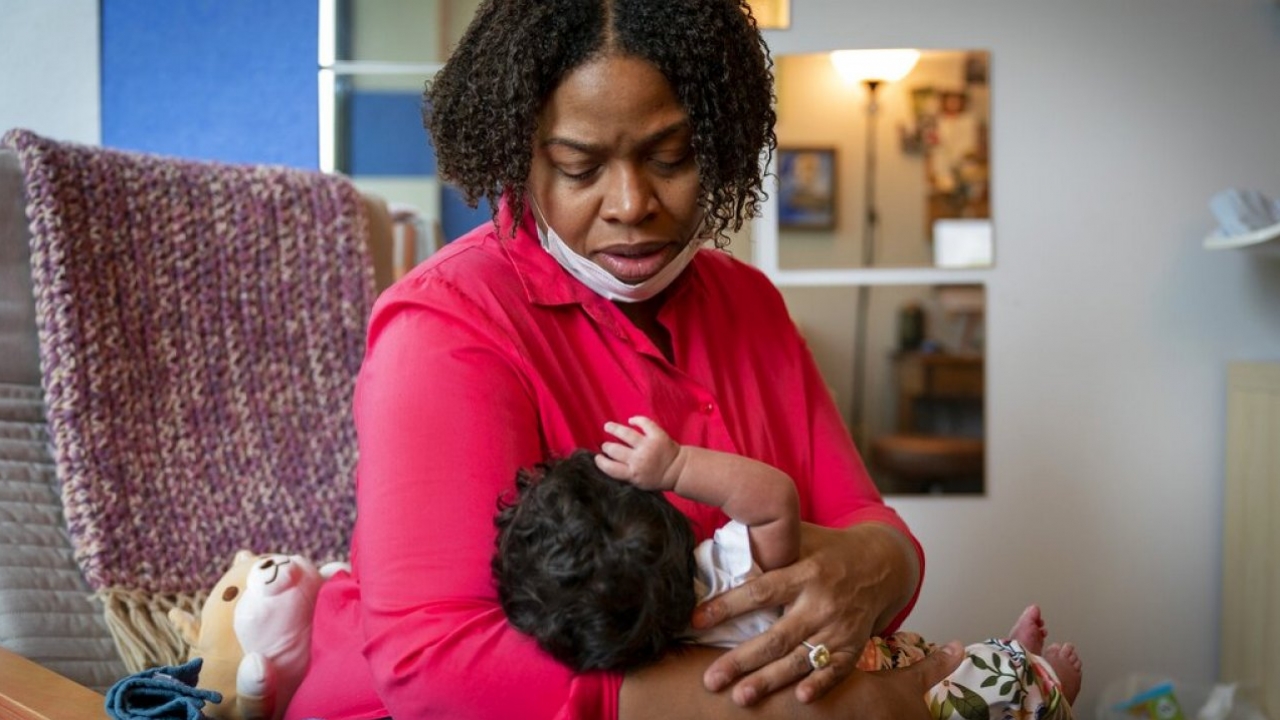 The benefits of breastfeeding to the mother include quicker recovery from childbirth than those who don’t, reduced rates of breast and ovarian cancer later in life, reducing the risk of type 2 diabetes, rheumatoid arthritis, cardiovascular diseases including high blood pressure and high cholesterol (Accessed from Benefits of Breastfeeding for Mom – HealthyChildren.org ) . It is then quite clear that breastfeeding is critical to mothers and denying them the opportunity to do that poses serious health risks to them. The benefits of breastfeeding to the child, according to World Health Organization (WHO) are that breastfeeding is one of the most effective ways to ensure child health and survival (Accessed from https://www.who.int/news-room/factsin-pictures/detail/breastfeeding ). WHO further states that if breastfeeding was scaled up to near universal levels, about 820000 child lives would be saved every year, because breast milk provides ideal nutrition for babies. Its composition even changes according to the baby’s changing needs, breast milk contains important antibodies which help the child fight off viruses and bacteria which then reduces the risk of disease and also breast milk promotes healthy weight gain for the child and helps prevent childhood obesity (Accessed from 11 Benefits of Breastfeeding for Both Mom and Baby (healthline.com) ).
WHO recommends that infants should be exclusively breastfed for their first 6 months to achieve optimum growth and after 6 months, should receive nutritionally adequate complementary foods while continuing to be breastfed for up to 2 years or beyond. It is in the best interest of the child for the child to be breastfed. It is then evident that the benefits that accrue from breastfeeding demand that the workplace should not treat the need to create an environment that benefits the nursing mother’s needs as optional. The law provides that it is the responsibility of the employer to create an environment that is not discriminatory to the nursing mothers by providing the space, time and equipment necessary and hence it is the employer who should be held to account in otherwise scenario. An example is Hon. Juma, who took her infant child to her work place in Parliament. In as much as the official Hansard report indicated that the Parliamentary Service Commission(PSC) had set aside a facility within the Parliamentary Square – on the 4th Floor of the Red Cross building – to cater for lactating mothers, doubt was cast on whether it actually is operational (Accessible from https://www.youtube.com/watch?v=KGEhVu5fQyk ) . Even if it is/was, whether amidst tight parliamentary procedure, it is practical to walk all the way to a new building over 100 metres away from the Chambers in order to access the infant, regardless of whether there was/is a provision for a nanny. A strong case is made for a fully operational and easily accessible lactation center.
The Health Act, 2017 majorly provides for breastfeeding in the workplace. Section 71 states that all employers shall provide lactation stations in the workplace and shall adequately provide all the necessary equipment and facilities including a refrigerator; AND that the he lactation stations shall not be in the restrooms. Section 72 requires employers to grant break intervals for nursing employees. The break intervals shall be in addition to the regular times off for meals and it shall include the time it takes the employee to get to and from the lactation station. On the issue of compensation, the Act provides that the time is compensable provided that the break intervals shall not be for more than one hour for every eight-hours working period.
The Convention on Elimination of all forms of Discrimination Against Women (CEDAW) defines discrimination as, a distinction, exclusion or restriction made on the basis of sex which has the effect or purpose of impairing or nullifying the recognition, enjoyment or exercise by women (irrespective of their marital status) on a basis of equality of men and women, of human rights and fundamental freedoms in the political, economic, social, cultural, civil or any other field. Breast feeding discrimination is defined as when a woman is treated unfairly or is denied access to any service or opportunities because she is breastfeeding her child (accessed from https://equalopportunity.tas.gov.au/html_version/breastfeeding_discrimination). Breastfeeding discrimination in the workplace, office or other business premises can look like denying pumping breaks for employees, firing employees just for asking for pumping breaks, refusing to provide privacy to breastfeeding employees and safe breastfeeding conditions, insulting or mocking breastfeeding employees, and many others which create an environment which hinders or prevents a woman from breastfeeding. Some of the effects of breastfeeding discrimination in the workplace include: workers being fired, forced to resign and subjected to other economic harm. Many face serious health consequences including illness and painful infections, diminished milk supply and being forced to wean earlier than doctors recommend (accessed from https://pregnantatwork.org/breastfeeding-reportfullpage/#:~:text=Breastfeeding%20discrimination%20takes%20many%20forms%2C%20including%3A%201 %20denying,times%20in%20physically%20unsafe%20conditions%3B%20More%20items…%20)
Equality means that every individual or group of people is given the same resources or opportunities. Equity recognizes that each person has different circumstances and allocates the exact resources and opportunities needed to reach an equal outcome. (Accessed from https://onlinepublichealth.gwu.edu/resources/equity-vsequality/ ). The right to breastfeed and attendant facilitation is a unique right of women workers. The dissection between discrimination, equity and equality spotlights the fact that failing to create an environment where nursing mothers can breastfeed their children at the work place without it being detrimental to her career is in itself discrimination because it does not adhere to the rule of equity which takes into consideration the unique experiences of the woman in assessing whether there is equal access.
As we look at compliance, the idea of the best interest of the child should be considered wholesomely and not just in terms of convenience. The fact that a worker such as the Hon. Ms. Juma, M.P, would have to choose between 2 evils such as to either risk the starvation of the child by not breastfeeding or to risk a career by taking a child to the work station is not a position that she should have been in to begin with but sadly this represents the choice that a lot of women in Kenya are presented with. It is quite unfortunate that instead of considering what was in the best interest of the child wholesomely, the Members of Parliament chose to only consider what made them most comfortable and what was most convenient for them, with some describing her action as ‘unAfrican’. What should have led to a conversation about making the nursing station functional so as to avoid such a situation in future led to the severely reprimand and warning to refrain from engaging in such conduct in future. To admonish and silence a mother who was trying to balance the best interests of her child and the demands of her career is a position that most can empathize with in a rights based approach.
There is a clarion call to reflect on the intrinsic balance of rights, as between parliamentary protocol which must be respected and a child’s survival and development vis a vis lactating mother. Each growing day is important for a child. Childhood cannot wait. We conclude that we have a long way to go in terms of the protection of the rights of nursing mothers and promoting equity in the workplace and non-discrimination of nursing mothers.